Case Study

HORIBA MIRA-7.1MW

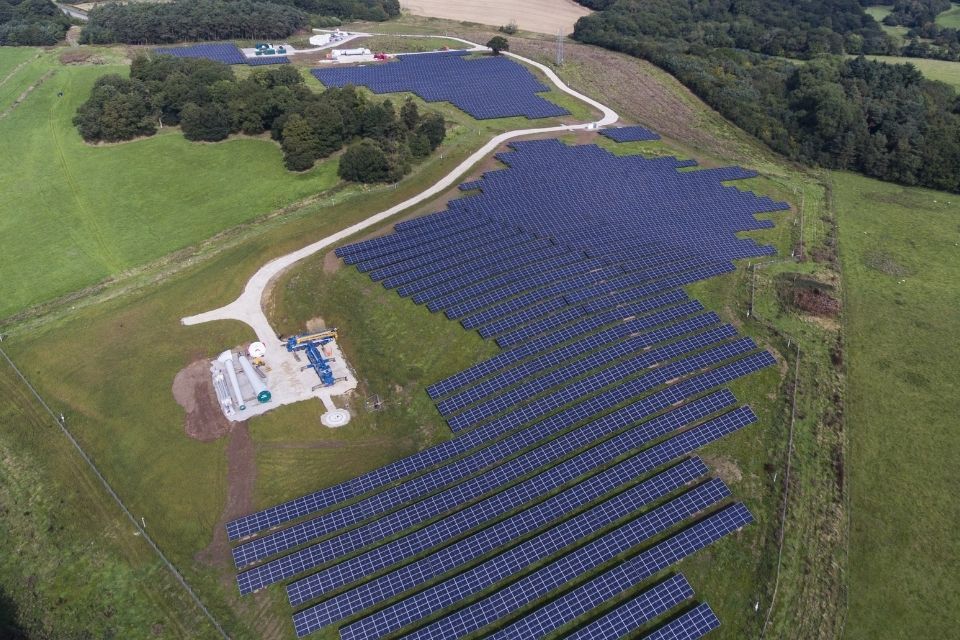
For this 7.1MW solar project, we used driven piles and HTR Root Anchors to overcome underground drainage constraints and provide a site-specific foundation solution.

Location
Nuneaton, Warwickshire,UK
Project Size
7.1MW
Frame Specification for HORIBA MIRA-7.1MW
Frame SpecificationDescription
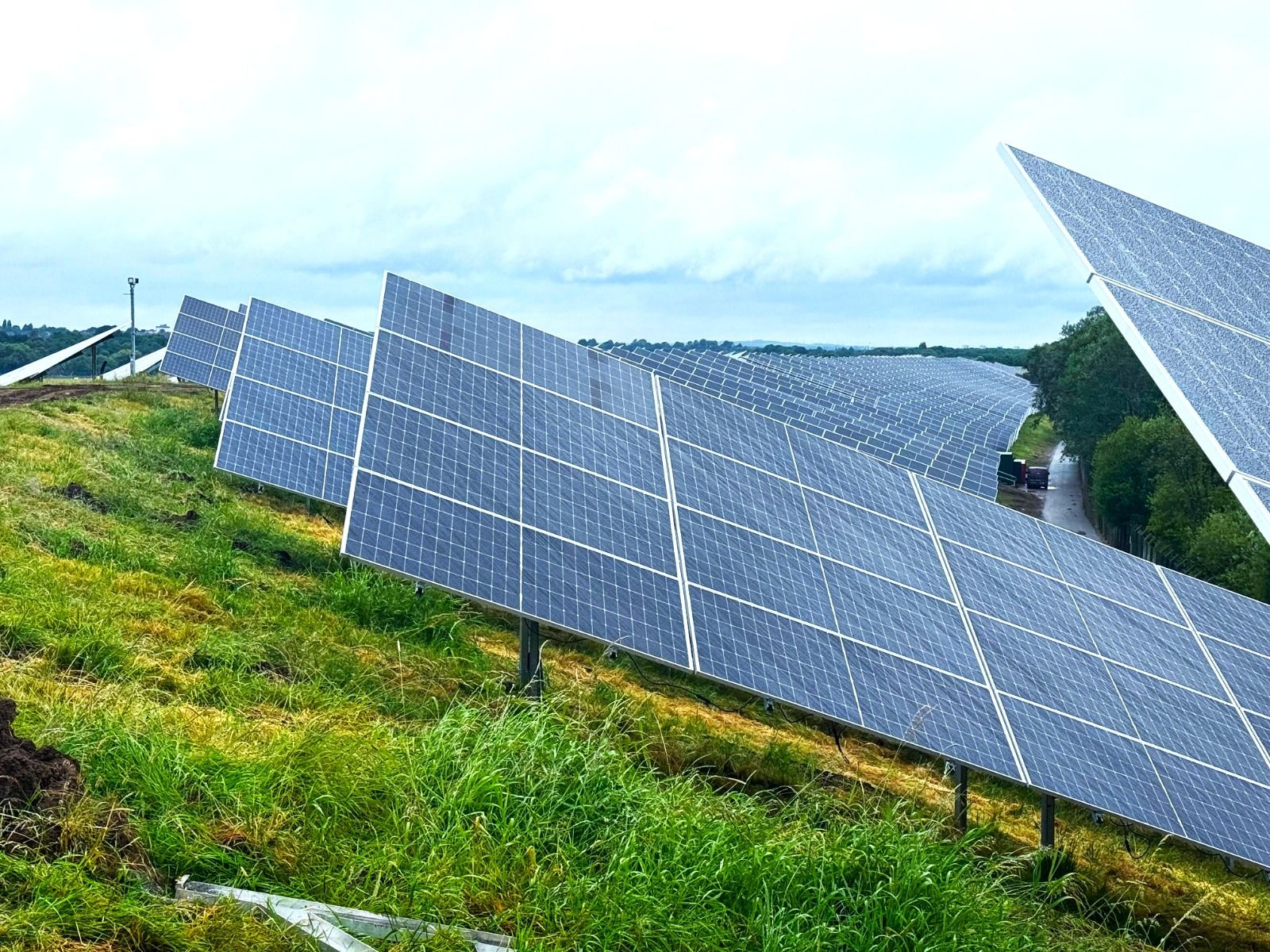
Panel Configuration4 in Landscape
Tilt AngleProject -specific
Mounting SystemHTR System 4.1
Foundation TypeDriven Pile & HTR Root Anchor
Site/Ground ConditionFlat site, historic shallow underground water culverts conflicted with some pile locations
Warranty25 years standard; extended warranty subject to material selection, testing & T&Cs
Design StandardsBS EN 1990, BS EN 1991 & BS EN 1993, including BS EN 1993-1-3 and BS EN 1993-1-8, with UK NAs where applicable
Manufacturing StandarsBS EN 1090-1:2009+A1:2011
Overview

About This System

The HORIBA MIRA solar project in Nuneaton is a 7.1MW ground-mounted solar installation, delivered using HTR Solar’s System 4.1 – 4-in-landscape mounting system.

HTR Solar was commissioned to design, test and manufacture the mounting system, working with Avonside Energy to develop a solution suited to the project’s site and ground conditions.

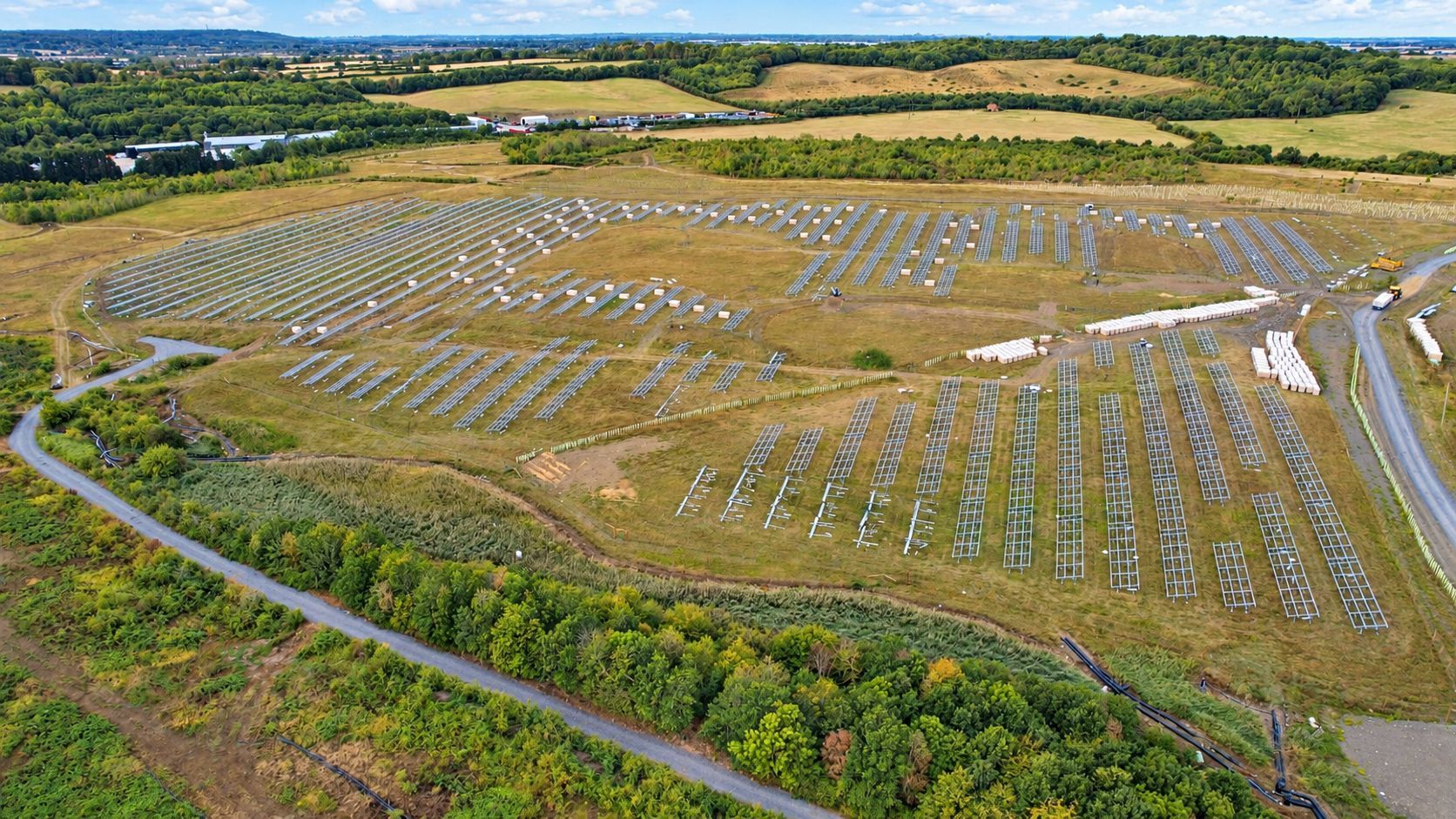
Ground investigations identified historic shallow underground water culverts, creating areas where conventional driven piles conflicted with existing below-ground infrastructure. To address these localised constraints, HTR Root Anchors were incorporated alongside driven piles, providing a flexible foundation approach while maintaining integration with the overall mounting system.

The project demonstrates how HTR Solar combines project-specific engineering, adaptable foundation solutions and UK manufacturing to respond to site-specific challenges in ground-mounted solar PV projects.
 

The Site

Key Engineering Challenges

  • Historic Underground Infrastructure-Shallow underground water culverts were identified during ground investigations, creating conflicts with conventional driven pile locations.
  • Foundation Constraints-Alternative foundation solutions were required in areas where driven piles could not be used due to the identified underground infrastructure.
  • Archaeological Considerations-The site's history as the former RAF Lindley airfield resulted in archaeological investigations, which identified material associated with its previous use and contributed to programme delays.
  • Project-Specific Foundation Strategy-The mounting system needed to accommodate localised ground constraints while maintaining a coordinated and practical foundation arrangement across the site.

Project Type

Ground Mounting

Enquire About This System

Specifications are tailored to each site. Send us your layout and ground conditions and we'll confirm the arrangement for your project.

Have a Project Like This?

Share your site details and we'll design a mounting solution around them.

Get a Quote