Triple Post System

4 in P

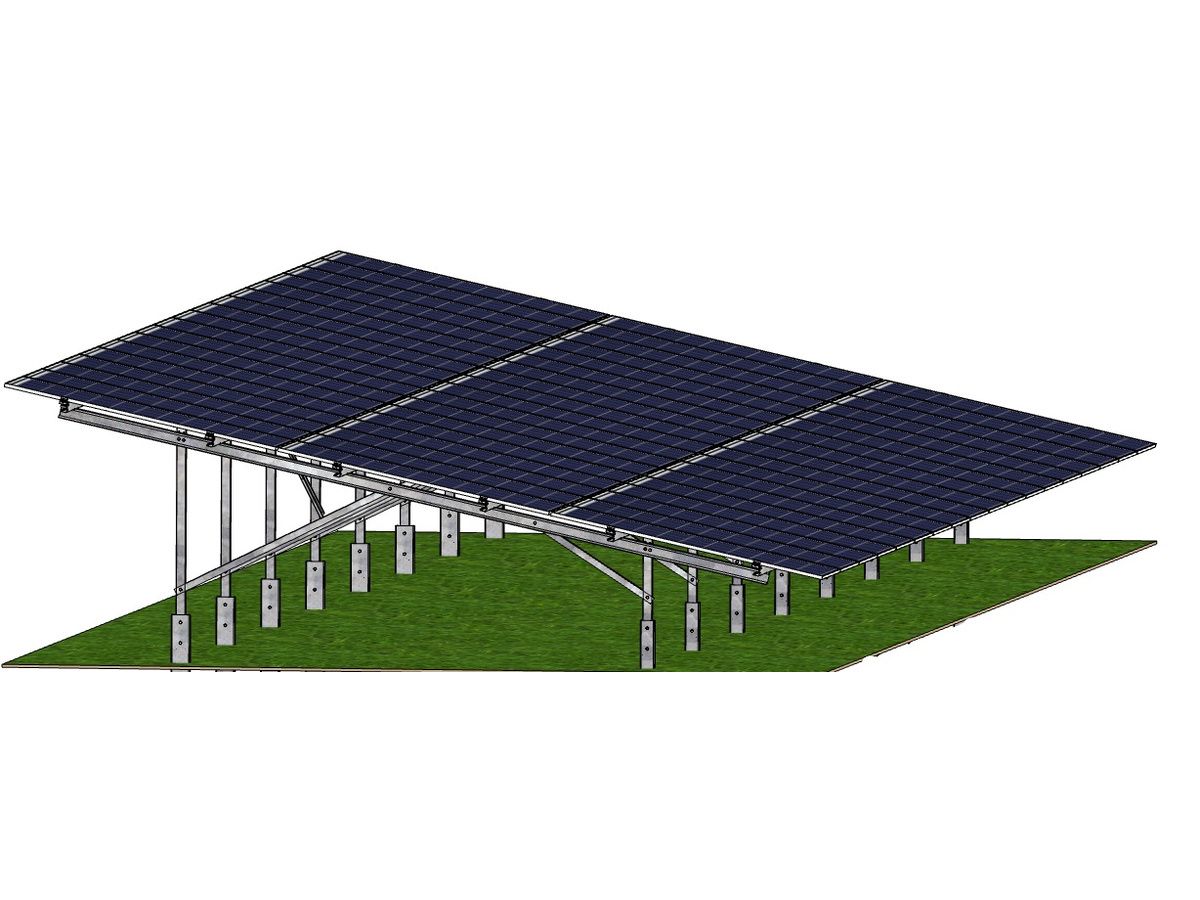
A high-performance ground-mounted solar PV system developed for 4 in Portrait configurations., using three primary support lines to provide efficient structural support across the deeper module table.

Overview

The HTR Solar Triple-Post Fixed-Tilt System is designed for ground-mounted solar PV projects requiring a 4 in Portrait (4P) module configuration.

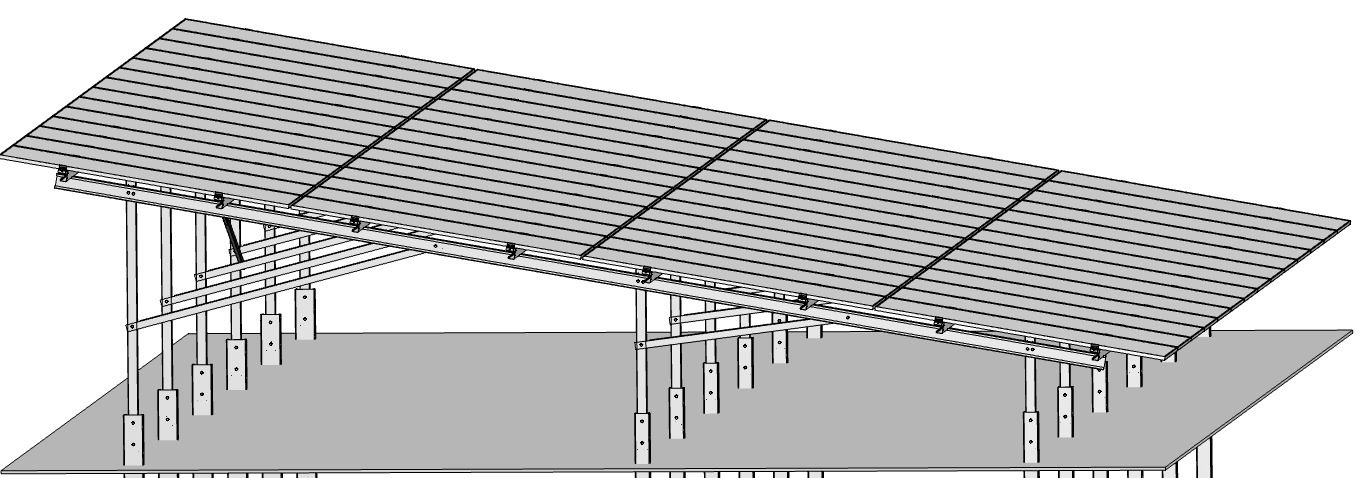
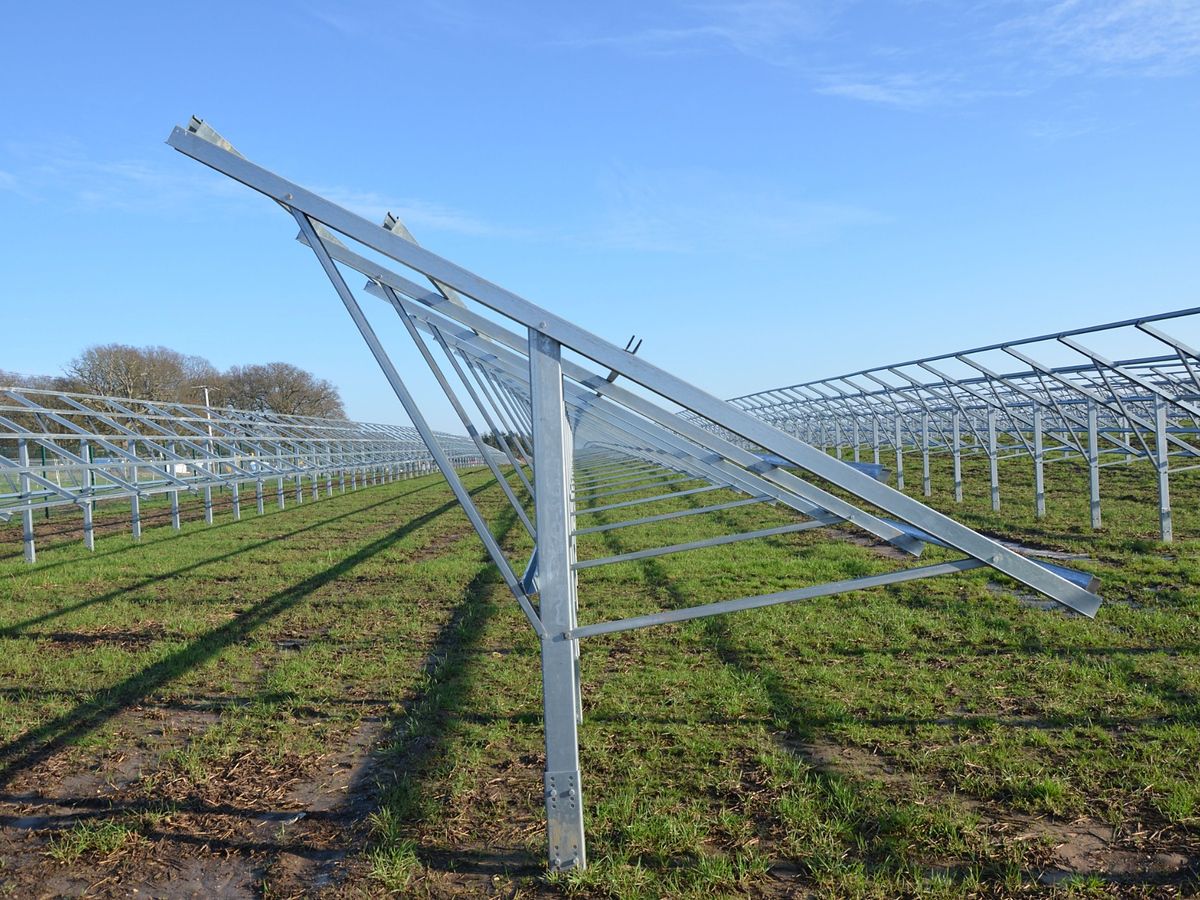
With four modules arranged in portrait across the table slope, the resulting rafter is considerably longer than those used for smaller module configurations. The triple-post system introduces an intermediate support between the front and rear posts, reducing the effective rafter spans and helping control bending, deflection and connection forces.

Distributing the structural actions between three support lines also helps manage the compression, uplift and lateral reactions transferred into the foundations. This creates a stable structural arrangement while allowing the rafter and post sections to be selected more efficiently for the applicable project loads.

Our engineers consider module dimensions, table geometry, tilt angle, wind and snow actions, topography, ground conditions, corrosion environment and required design life when developing the final mounting arrangement.

By combining in-house structural engineering with flexible UK manufacturing, we can coordinate the posts, rafters, stringers, bracing, connections and foundation interfaces as one complete project-specific solution.
Configurations
  • 4 in Portrait (4P)
Discuss Your Project
 4 in P

Why Choose Our Triple-Post Fixed-Tilt System?

  • Engineered for 4P Tables

    The system is specifically developed to support the increased table depth created by four PV modules arranged in portrait across the slope.

  • Reduced Rafter Spans

    The intermediate post provides an additional rafter support, reducing the unsupported spans between the front and rear foundations.

  • Controlled Rafter Deflection

    The three-point support arrangement helps control rafter bending and deflection, maintaining the required module alignment and structural performance.

  • Efficient Structural Sections

    Reducing the rafter spans can avoid the need for unnecessarily wide or thick rafter sections, allowing the structural members to be selected efficiently for the project loading

  • Distributed Foundation Reactions

    Compression, uplift and lateral actions are distributed across three foundation positions, helping manage the design demand transferred into each support.

  • Project-Specific Engineering

    The posts, rafters, stringers, bracing and connections are engineered together around the selected PV modules, applicable structural actions, ground conditions and required design life

Technical Specifications

Technical Specifications for 4 in P
ParameterTypical Specification
System Configuration4 in Portrait (4P)
Module TypeFixed-tilt ground-mounted solar PV system
Module OrientationPortrait
Primary support arrangementTriple post – front, intermediate and rear supports
HTR SystemS5.2
Module orientationPortrait
Tilt angleProject-specific
Table lengthProject-specific
Module CompatibilityDesigned around the selected PV module dimensions and approved fixing zones
Structural DesignProject-specific design for wind, snow, dead, imposed and other applicable site actions
Structural materialsGalvanised or metallic-coated steel, specified for the project
Panel fixingHTR-approved over-panel or under-panel fixing arrangement
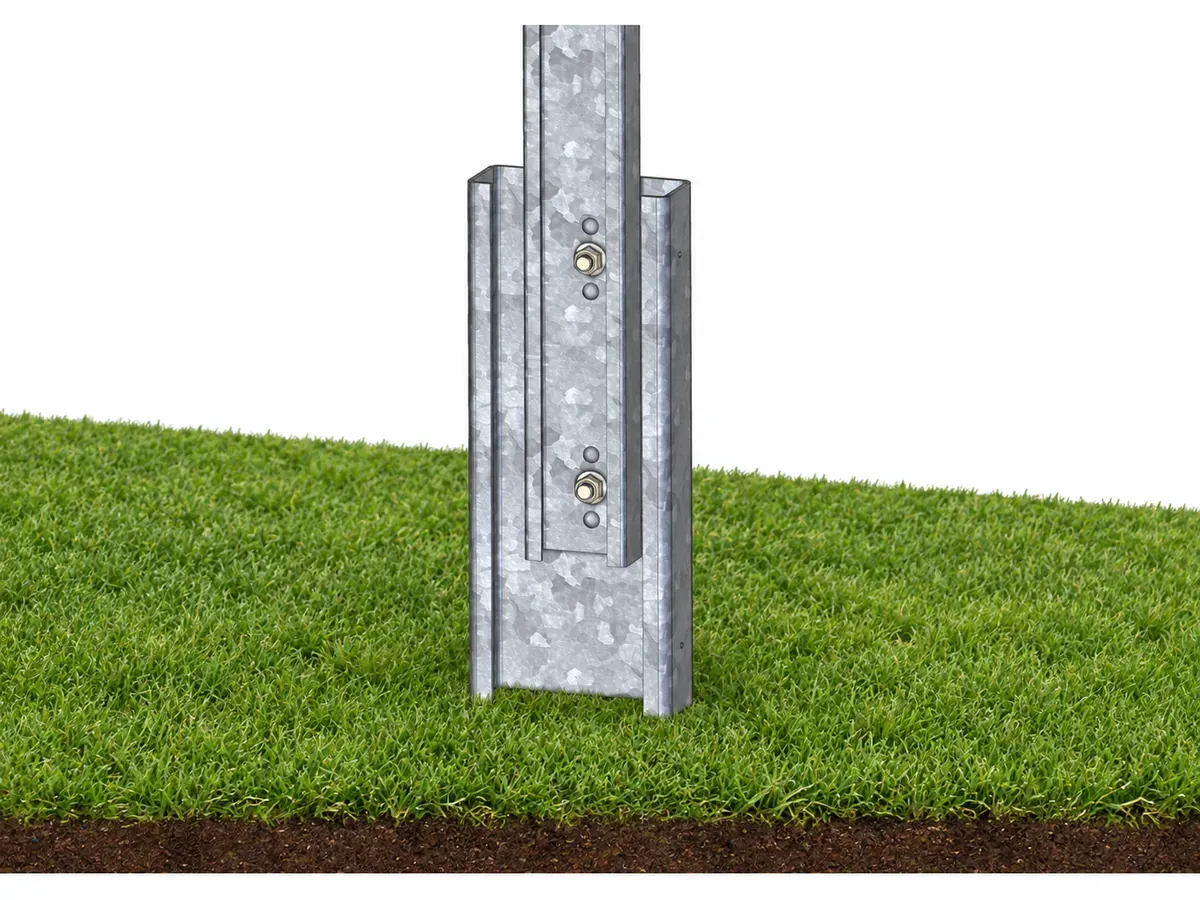
Foundation optionsDriven pile, screw pile, ballast, root anchor, gabion basket or project-specific hybrid solution
TopographyDesigned to accommodate the project-specific ground profile
Corrosion protectionSpecified according to the site environment, ground conditions and required design life
Design lifeProject-specific
ManufacturingUK manufactured using project-specific profiles and connection details

Module Fixing Options

Over-Panel Clamping

PV modules are secured from above using mid-clamps between adjacent modules and end-clamps at the ends of each module row. Clamp locations are coordinated with the module manufacturer’s approved fixing zones.

Under-Panel Clamping

Where specified, modules can be secured from beneath the frame using a compatible under-panel fixing arrangement. This provides an alternative installation method while maintaining the required fixing positions and structural performance.

Planning a Site That Needs This?

Share your ground conditions and layout and we'll engineer the mounting solution around them.

Get in Touch